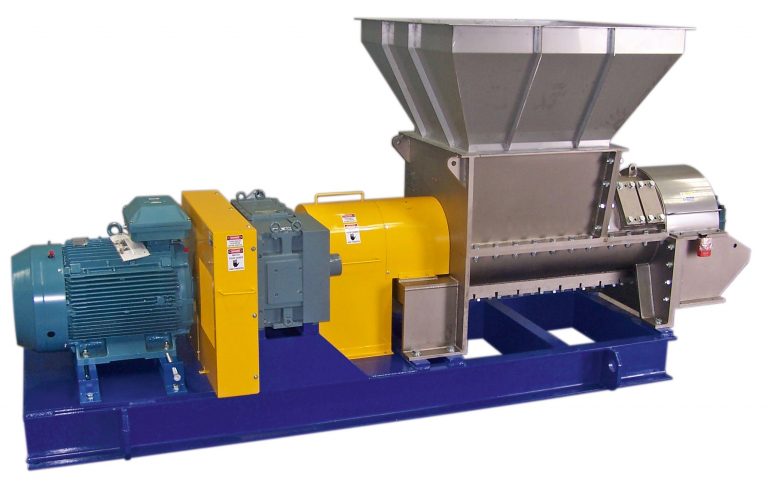
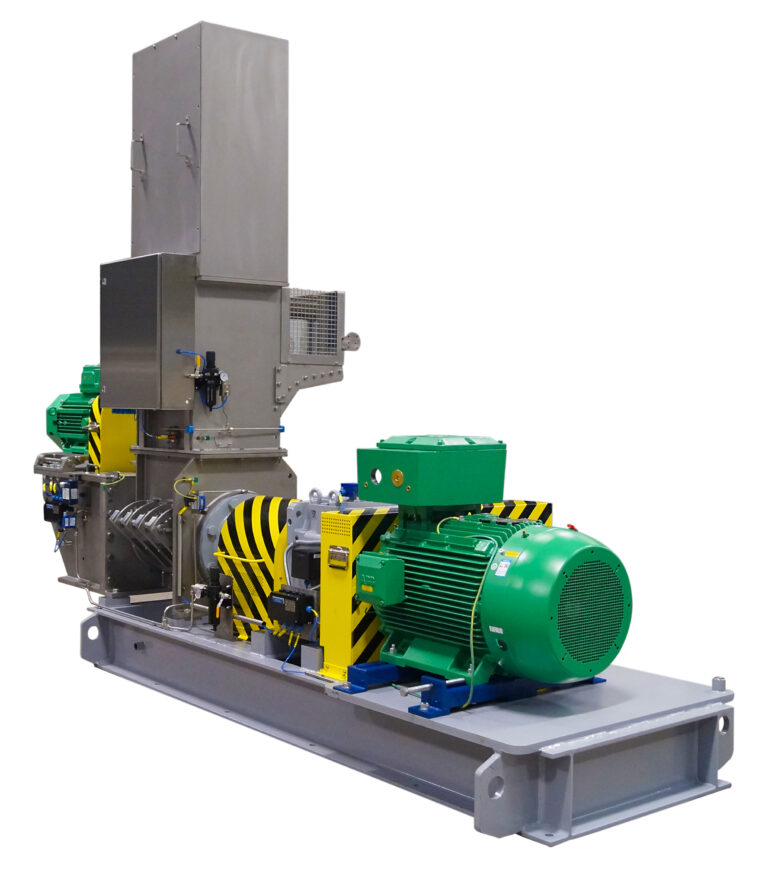
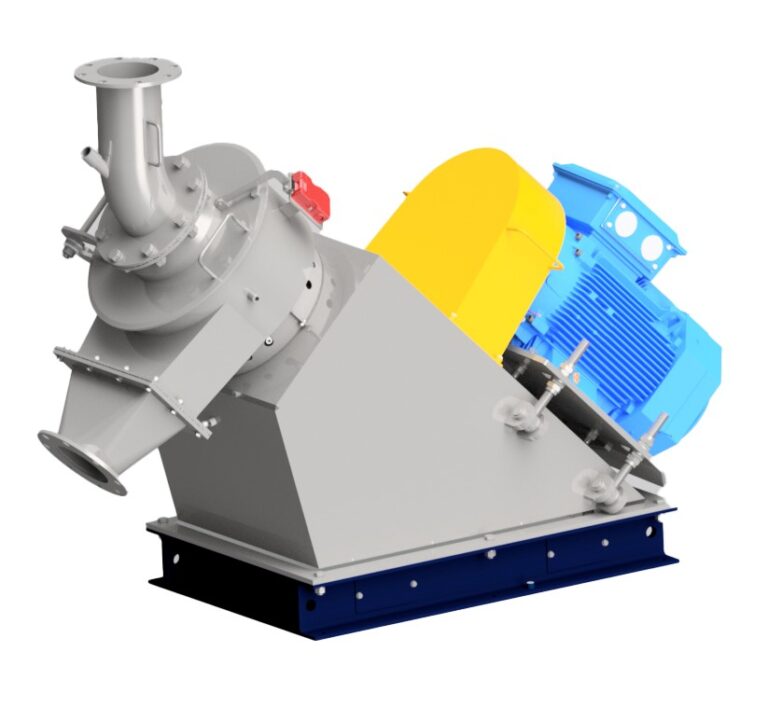
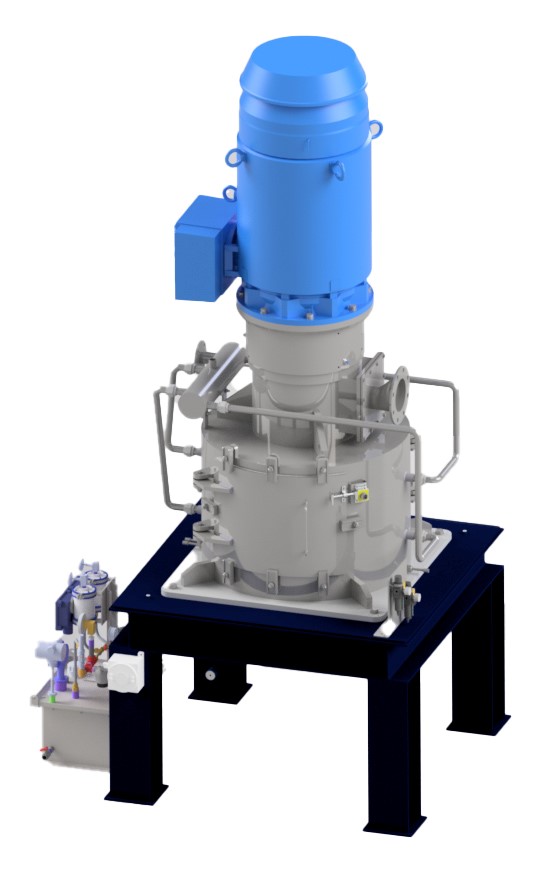
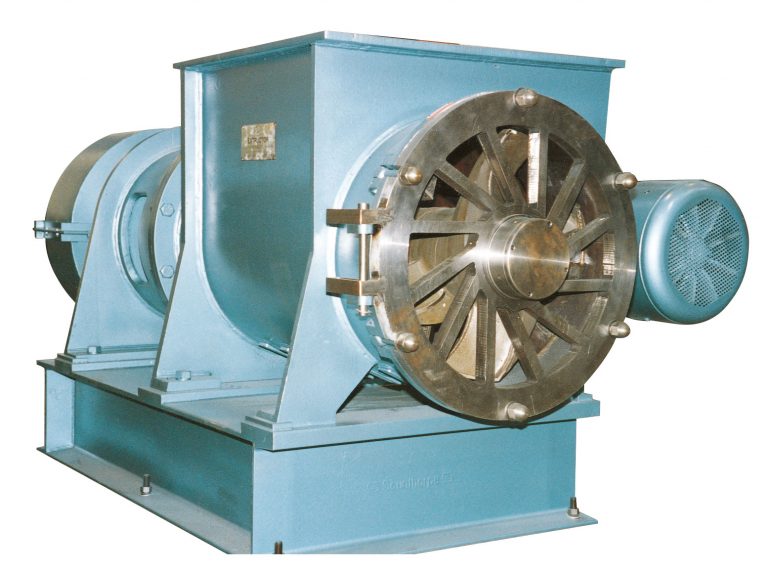
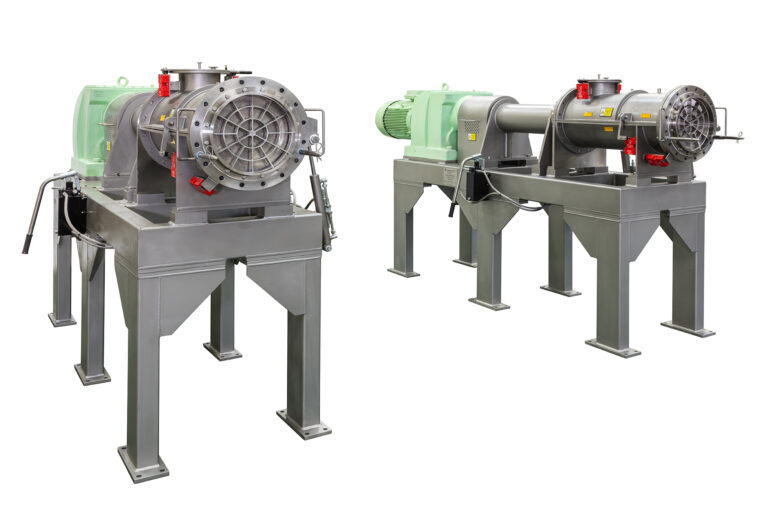
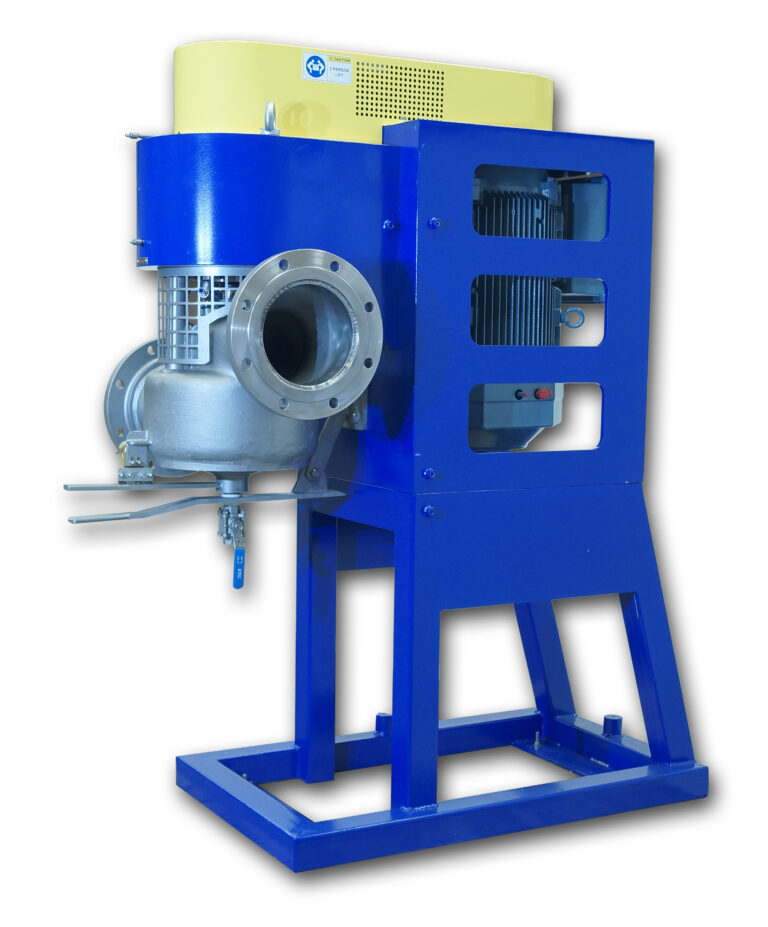
Hosokawa’s solution options are available from Alpine, Alpine Compaction, Mikro, and Hosokawa Micron, so we can offer individual ball mills, granulators and crushers, fine impact mills, jet mills, and air classifiers
Our machines are suitable from coarse crushing down to ultrafine milling of submicron particles, and are used across a range of wet and dry processing applications in industries including chemical, food, pharmaceutical, mineral, and other industries.
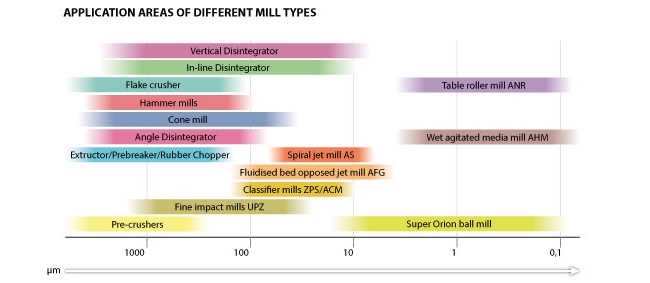
Hosokawa Micron’s pioneering development into contained milling systems in which size reduction equipment is integrated as part of a contained system has led to increased operator safety, product integrity, and environmental protection from potentially hazardous dusts. Our engineers have also successfully developed explosion-protected systems, and systems which incorporate easy-clean designs, and CIP/SIP systems.
We can supply a range of milling and size reduction equipment and technologies from lab up to production scale. Our aim is to not only provide a stand-alone machine but engineering systems and capabilities to meet individual production needs.
Size reduction equipment and services
For any enquiries regarding our size reduction equipment and services, please get in touch today, or click below to view our size reduction products.